

Fresh Zombie Shooter
4.8 / 5 Apr 15, 2026
Dead Strike
Hold space, reload early, and outlast waves that punish bad positioning.
1,842 votes Open Guide
Play in Browser
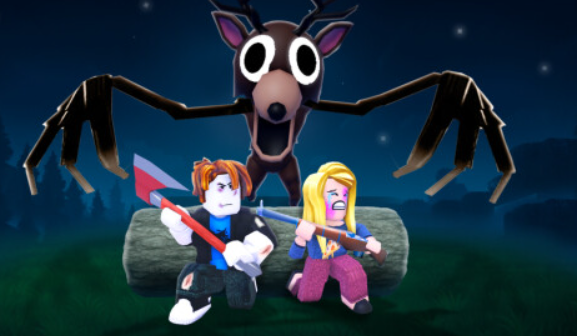
99 Nights in the Forest Online
Launch instantly, skip the download, and start playing in one click.
New Games
Use these as better next clicks depending on what part of Idols of Ash you want more of—tight space, maze pressure, puzzle tension, or a longer survival loop.
99 Nights in the Forest Online is a survival defense game that becomes much better once you understand its promise in plain language: use daylight to gather, sort, repair, and build, then survive the night with whatever discipline your camp can actually support. That loop gives the game immediate purpose. You are never only wandering for atmosphere, and you are never defending a base that means nothing. Every log, fuel pickup, food run, and layout decision feeds directly into the pressure waiting after sunset. If you are choosing whether to spend time here, the real appeal is not raw combat. It is the feeling that each day is an investment and each night is an honest test of whether your planning was good enough. This guide is here to make that first run feel readable instead of messy.
The most useful way to approach the game is simple: decide quickly whether this is your kind of survival loop, then learn enough to enjoy the first night instead of wasting it. That is why the focus here stays on first-night priorities, campfire stability, and the difference between useful building and wasteful building. If you like the hold-the-line pressure of Dead Strike but want more preparation, or the unease of Backrooms with more practical decision-making, this is one of the easiest recommendations in the archive.
The first strong impression this game creates is that the day phase never feels as generous as it sounds on paper. A new player can spend a minute wandering, checking one extra corner, or carrying the wrong materials back to camp, and then suddenly realize night is arriving before the base is actually ready. That is what gives the loop its bite. The pressure does not start only when enemies show up. It starts the moment you understand that wasted daylight becomes tonight’s problem.
Another thing that stands out early is how quickly the campfire becomes emotional instead of decorative. Once darkness starts, the whole run feels organized around whether the center of your camp can still protect you, guide you, and buy you breathing room. That shift makes the first good run memorable because survival starts feeling earned through preparation rather than luck.
Start by treating the first daylight stretch like setup, not sightseeing. You want fuel, food, and the materials for a basic defense loop before darkness starts asking harder questions.
If the fire is weak and your supplies are thin, every later choice gets worse. Gather what keeps the camp functional first, then expand outward once you know the center of your run is stable.
Do not spend the opening on complicated structures you cannot support yet. A simple layout you understand is better than a larger one you cannot defend cleanly. Leave yourself room to move, fight, and return to safety when pressure spikes.
A good beginner rhythm is gather, return, sort, and only then push farther out. That rhythm makes the first night feel much less chaotic.
The best part of the game is that the two halves of the loop talk to each other. Daytime preparation directly changes how survivable the night feels.
Your structures are not cosmetic. Even simple defensive choices can buy you time, safer movement, and fewer desperate mistakes once attacks begin.
The game gives you enough to think about without burying you in menus. That makes it easy to understand what went wrong on a failed run and what to change next time.
Every run creates a small story of preparation versus collapse. Players who enjoy that tension in different forms should also look at Dead Strike for action-heavy survival or Backrooms for slower dread.
The game has a strong hook because the value of the day is always tested by the night. That creates instant stakes without needing a long tutorial.
Players who enjoy survival loops, gradual escalation, and the feeling that smart preparation genuinely changes the outcome will usually stay with it longer than players who only want nonstop action.
It is a balanced mix, but the strategy side shows up first. Better preparation makes the action feel manageable instead of messy.
Focus on the campfire, essential supplies, and a simple layout you can defend. Strong basics matter more than ambitious expansion in the opening phase.
Players who like survival loops, escalating night pressure, and the feeling that smart preparation pays off over time will probably get the most from it.


Discuss 99 Nights in the Forest Online
Share route tips, bug warnings, clutch escape moments, or smart shortcuts. Keep it useful, readable, and spoiler-light so the next player can learn fast.