Fresh Zombie Shooter
4.8 / 5 Apr 15, 2026
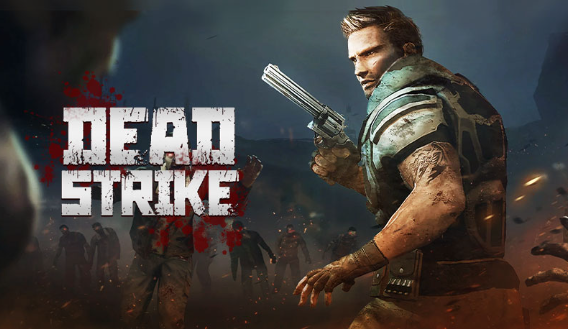
Dead Strike
Hold space, reload early, and outlast waves that punish bad positioning.
1,842 votes Open Guide
Play in Browser
Dead Strike
Launch instantly, skip the download, and start playing in one click.
New Games
Use these as better next clicks depending on what part of Idols of Ash you want more of—tight space, maze pressure, puzzle tension, or a longer survival loop.
Dead Strike is a wave-based zombie shooter that earns attention by being immediately readable: you drop into a compact arena, survive the early rush, buy smarter upgrades, and try to keep enough space alive around you to reach the next round without collapsing. That clarity is a selling point, especially for browser players who want a quick session but still want the run to feel skill-based rather than disposable. The real appeal is not only shooting fast. It is understanding when to reload, where to move, which upgrades stabilize the round, and how one bad positioning mistake can turn a controllable fight into a lost run. If you are deciding whether to open it right now, this is the kind of game that rewards players who want direct action with visible improvement. This guide exists to make the first run more efficient, less panicked, and more satisfying.
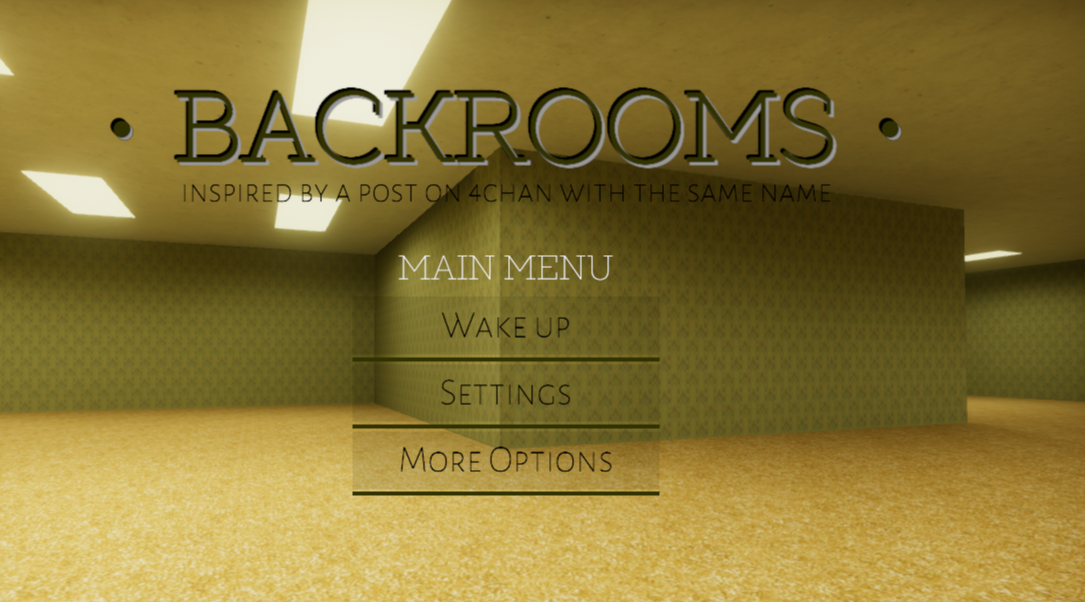
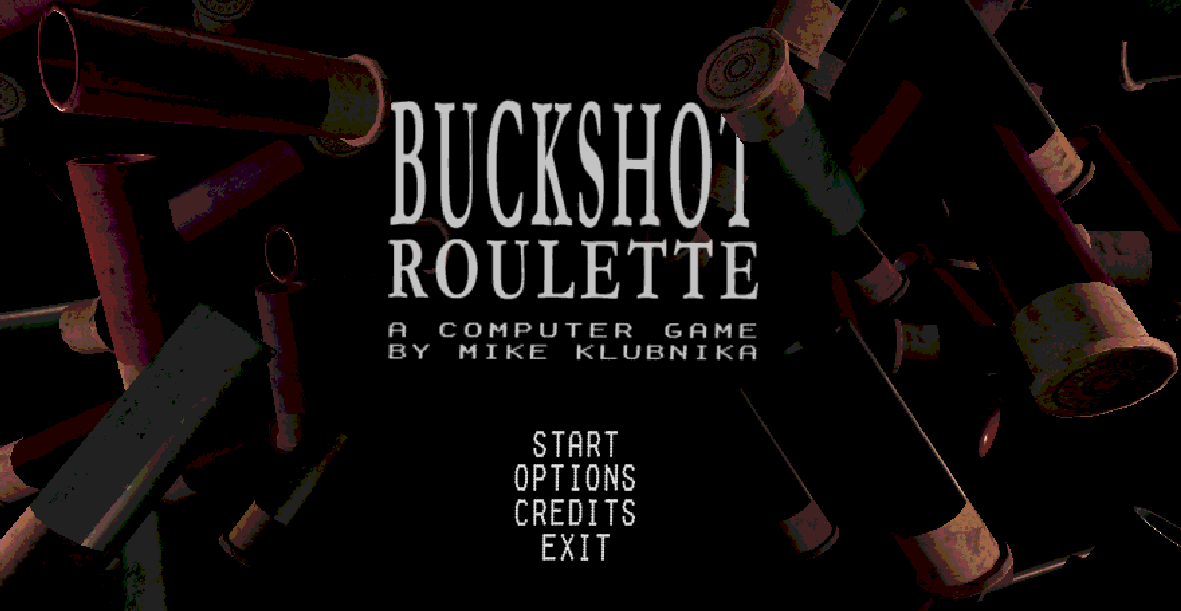
It also helps to decide early whether this will be a one-round curiosity or a repeat-play pick. Dead Strike works best for players who like short runs, rising pressure, and obvious cause-and-effect in their failures. That is why the content below stays focused on first-wave habits, upgrade value, and crowd control. If you want another game where stress comes from hard reads rather than gunfire, Buckshot Roulette is a strong companion. For slower dread with less action, Backrooms is the better contrast.
The run structure is compact, but the decisions inside each wave are concrete enough that every failure usually teaches something useful.
Players who want arcade speed with survival tension and who enjoy measurable improvement from run to run are the best fit.
The first browser run usually teaches this lesson immediately: the arena only feels manageable while you still have space and bullets at the same time. The moment you reload late or drift too close to a wall, the wave stops feeling like a shooting problem and starts feeling like a movement emergency. That is what gives the game its survival edge. The zombies matter, but your positioning errors matter just as much.
It also becomes clear very fast that the best early upgrades are the ones that keep a run stable instead of making a single moment flashier. A beginner can feel the difference between a wave that stays readable and a wave that collapses because one reload or one turn happened too late. That clarity is part of why Dead Strike works well in short sessions.
Start by treating the first waves like setup time. Learn how enemies enter, where your safe arcs are, and what kind of weapon handling feels stable before the map gets crowded.
You do not need constant sprinting, but you do need to keep your angles clean. Move in short arcs, keep zombies grouped where you can read them, and avoid backing yourself into the walls just because one target looked urgent.
The most useful early upgrades are usually the ones that protect the whole run: steadier reloads, better crowd handling, or weapons that let you recover after one mistake. Raw damage matters, but reliable control matters sooner.
A beginner-friendly rule is simple: reload while you still have a safe lane, not after the horde is already on top of you.
The early pace is quick enough to hook you, and the later pace is sharp enough to force better habits without turning the whole run into unreadable chaos.
Upgrades matter because they alter how boldly you can move and how long you can keep control once the arena fills in.
Dead Strike resets well. Failed runs rarely feel wasted because you can usually identify one or two better decisions to test on the next attempt.
It is more arcade than pure horror, but the swarm pressure still scratches the same survival nerve. If you want another title where stress comes from information rather than gunplay, Buckshot Roulette is the best next step. For slower dread, move to Backrooms.
No. The controls are straightforward. The difficulty comes from maintaining space and discipline once the later waves speed up.
The focus is on wave survival and upgrade rhythm rather than narrative progression. It works best as a direct action session.
Players who like short shooter runs, visible improvement, and the feeling of barely holding a defensive line together will usually get the most out of it.


Discuss Dead Strike
Share route tips, bug warnings, clutch escape moments, or smart shortcuts. Keep it useful, readable, and spoiler-light so the next player can learn fast.