
Fresh Zombie Shooter
4.8 / 5 Apr 15, 2026
Dead Strike
Hold space, reload early, and outlast waves that punish bad positioning.
1,842 votes Open Guide
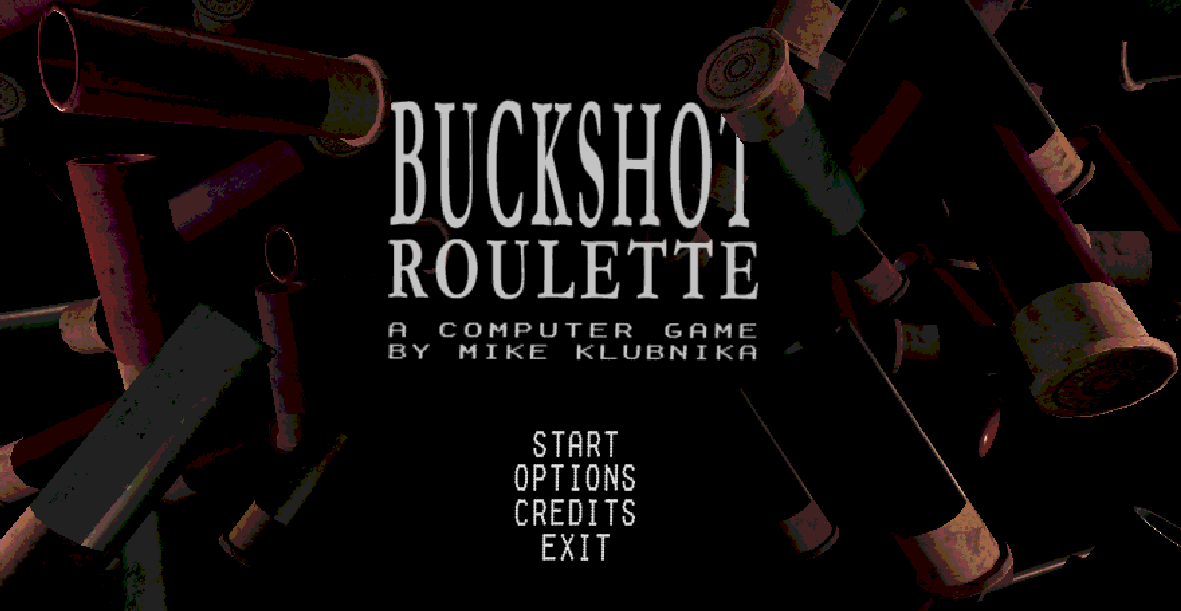
Play in Browser
Buckshot Roulette
Launch instantly, skip the download, and start playing in one click.
New Games
Use these as better next clicks depending on what part of Idols of Ash you want more of—tight space, maze pressure, puzzle tension, or a longer survival loop.
Buckshot Roulette has the kind of premise that sells itself in one sentence, but the reason it keeps players around is subtler than the shotgun on the table. Yes, you are dealing with live shells, blank shells, a brutal turn structure, and a room that wants every decision to feel ugly. The real hook, though, is how quickly the game turns tiny pieces of information into pressure. One revealed shell, one item, or one confident read can completely change whether shooting yourself is smart, desperate, or outright stupid. That makes the first round far more interesting than a simple luck test. For players who enjoy short-form horror, mind games, and the thrill of feeling smarter than the table for half a second before the next decision ruins that feeling, Buckshot Roulette is still one of the sharpest picks in the archive.
The game gets even better once you stop treating items as panic buttons and start treating them as information tools. That shift is where the real skill shows up, because each round becomes a small argument between probability, nerve, and timing instead of a coin flip with better lighting. Players who enjoy the incomplete-information pressure of Five Nights at Freddy’s or the suspicion-driven decision making of Skinwalker Game usually understand the appeal very quickly.
Because every new piece of information changes the meaning of the next shot, even when the core structure itself remains simple.
Players who like mind games, short sessions, and high-pressure decisions with clear consequences will usually understand its hook almost immediately.
A first session usually makes one thing obvious: the table becomes tense long before the dramatic outcome arrives. The room feels dangerous because every small piece of information changes the emotional weight of the next move. One revealed shell, one item, or one missed opportunity can make a choice feel clever, reckless, or humiliating in a matter of seconds. That is why the game feels so much stronger than a simple chance-based gimmick.
Another early impression is that items become far more interesting once you stop burning them under stress. The first strong run often happens when a player realizes that an item is not only there to save a bad turn, but to sharpen a read before the turn gets bad in the first place. That mental shift is where the whole duel starts feeling skillful.
The cleanest way to start is to slow the game down mentally. Before each choice, ask what shells are still possible, what you already know, and whether an item can turn a guess into a better decision.
If more blanks than live shells remain, shooting yourself can be a calculated choice rather than a desperate one. If the remaining mix is dangerous and the opponent is exposed, pressure them instead of taking an unnecessary gamble.
Items matter because they change the quality of your information or the cost of a mistake. A beginner mistake is using them the moment stress rises. A better habit is saving them for the turn where one extra clue or one altered outcome changes the whole table.
A strong first-session goal is simply this: finish each turn knowing why you made that choice, even if the result hurts.
The live-shell versus blank-shell structure is easy to grasp, which means the tension arrives early and does not need a long tutorial to matter.
The game respects the player’s time. Rounds move quickly, but they still create meaningful pressure because every shot can carry information, risk, and momentum.
The atmosphere works because it never distracts from the table. Everything points back to the same question: what do you actually believe is in the chamber right now?
If you want horror where the stress comes from reading information rather than escaping a map, Buckshot Roulette is one of the best archive picks. For another information-heavy tension game, try Five Nights at Freddy’s. For clue-based suspicion, Skinwalker Game is an equally good follow-up.
Luck matters, but the game becomes much better once you start reading shell information and using items to improve your decisions. It is not pure gambling.
The rules are simpler than they look. The hard part is staying calm enough to use the information you already have instead of treating every turn like a blind coin flip.
Track which shells have already appeared, how many dangerous outcomes are still possible, and whether an item can make the next choice more certain before you commit to a shot.

Discuss Buckshot Roulette
Share route tips, bug warnings, clutch escape moments, or smart shortcuts. Keep it useful, readable, and spoiler-light so the next player can learn fast.