Fresh Zombie Shooter
4.8 / 5 Apr 15, 2026
Dead Strike
Hold space, reload early, and outlast waves that punish bad positioning.
1,842 votes Open Guide
Play in Browser
Iron Lung
Launch instantly, skip the download, and start playing in one click.
New Games
Use these as better next clicks depending on what part of Idols of Ash you want more of—tight space, maze pressure, puzzle tension, or a longer survival loop.
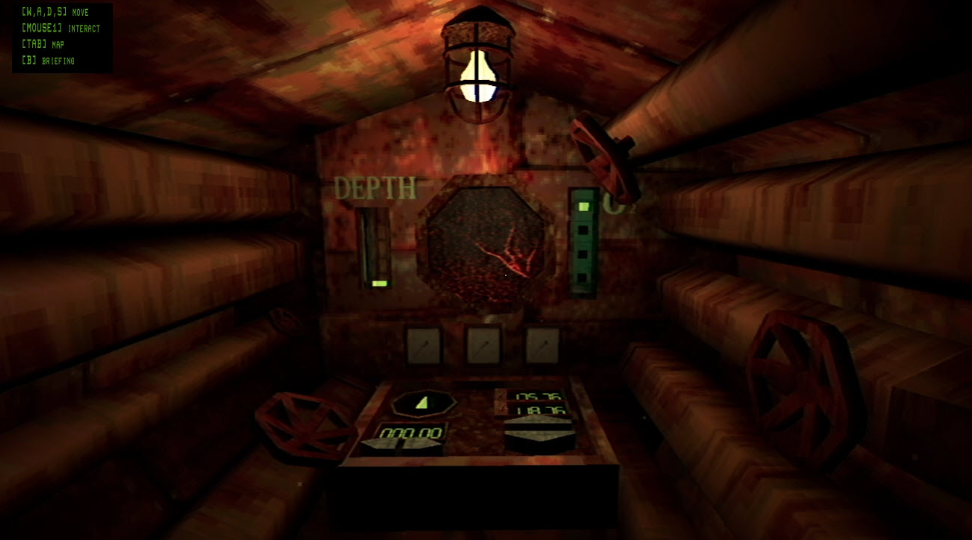
Iron Lung feels premium almost immediately because the concept is so clean: you are sealed inside a tiny submarine, sent into a blood ocean, and asked to navigate to coordinates and photograph whatever waits outside with barely enough information to feel safe doing it. That premise turns procedure into horror. You are not only there for atmosphere, even though the atmosphere is excellent. You are trying to perform a real mission with incomplete visibility, limited certainty, and a constant sense that the next sound or landmark might mean you are already too exposed. If you are deciding whether it is worth your time, the answer is yes if you want slow-burn fear with a concrete objective. This guide is here to make the first mission legible, so new players understand the route, the photo loop, and the discipline that keeps the submarine from feeling impossible.
It is also worth noticing why the game leaves such a lasting impression. It does so by making every navigational choice feel slightly dangerous and every success feel earned rather than lucky. That is why the content below centers on map reading, short movement segments, and mission control instead of pure mood. If you enjoy tension built from limited information, Anomalous Coffee Machine 2 and Red Face Horror are the most natural companion picks.
The game works because you always have a job to do, so fear is never abstract; it is attached to the next task you still need to complete.
Players who prefer slow-burn dread, strong premises, and pressure built from process rather than combat will usually appreciate it most.
The first memorable thing about Iron Lung is how small actions start carrying emotional weight inside such a tiny space. Opening the map, correcting your heading, or lining up a photo target can feel strangely heavy because the submarine gives you so little room to relax between tasks. The horror lands not because the game is constantly loud, but because procedure itself starts feeling stressful.
A second early impression is that movement becomes scarier the longer you delay simple corrections. New players often want to push through uncertainty in one longer segment, but the browser run feels far cleaner when you stop often, verify often, and treat navigation like a sequence of controlled risks. Once that lesson clicks, the mission stops feeling impossible and starts feeling oppressively deliberate.
Start by respecting the map more than your nerves. The game becomes much easier once you think in short navigational decisions instead of one long blind push toward the next target.
Check where the next coordinate sits relative to your current position, then move in smaller segments rather than drifting until something feels wrong. Short corrections are much easier than large recoveries.
The photo system works best when you arrive at a target with control. Stop, line up the task, and commit cleanly. Rushing the objective usually creates more uncertainty than speed saves.
A strong beginner habit is to confirm where you are after every meaningful movement segment instead of waiting until you feel completely lost.
Tiny submarine, blood ocean, photo mission: the concept is strong enough that the player understands the tone almost instantly.
The game trusts confinement, sound, and limited vision to do the heavy lifting. That makes the pressure feel heavier than a louder horror game would.
Every target matters because moving toward it means taking another controlled risk. The objectives give the run shape instead of leaving the fear too abstract.
If you want horror that tightens rather than explodes, Iron Lung is one of the strongest options in the archive. For related tension, try Anomalous Coffee Machine 2 or Red Face Horror.
No. The game is about navigation, mission pressure, and dealing with a hostile environment through limited information.
Yes. Limited visibility is one of the main reasons it works. Not seeing clearly makes every sound and every movement feel more important.
Focus on map discipline, short movement segments, and reaching the first target cleanly instead of trying to rush through the whole mission in one shaky push.


Discuss Iron Lung
Share route tips, bug warnings, clutch escape moments, or smart shortcuts. Keep it useful, readable, and spoiler-light so the next player can learn fast.