

Fresh Zombie Shooter
4.8 / 5 Apr 15, 2026
Dead Strike
Hold space, reload early, and outlast waves that punish bad positioning.
1,842 votes Open Guide
Play in Browser
Backrooms
Launch instantly, skip the download, and start playing in one click.
New Games
Use these as better next clicks depending on what part of Idols of Ash you want more of—tight space, maze pressure, puzzle tension, or a longer survival loop.
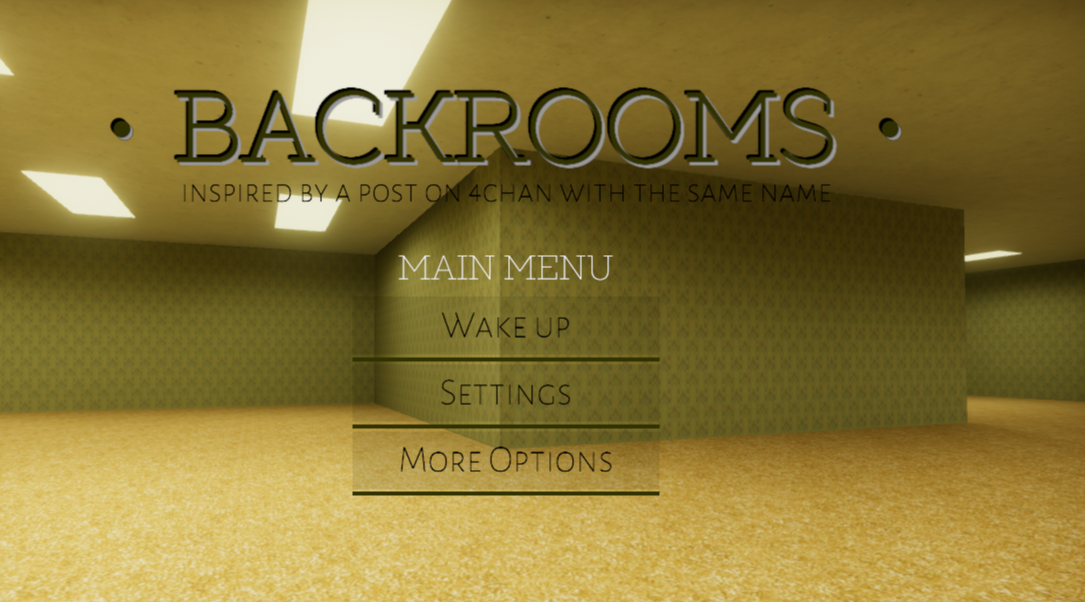
Backrooms becomes much better the moment you realize the maze itself is the main threat. The yellow halls are not just visual flavor. Their repetition is the pressure system. The game keeps pushing you toward one of two mistakes: either you rush because everything looks the same, or you freeze because everything feels unreliable. Good runs happen in the middle. You move with purpose, keep rough landmarks in your head, and stop letting confusion decide your route for you.
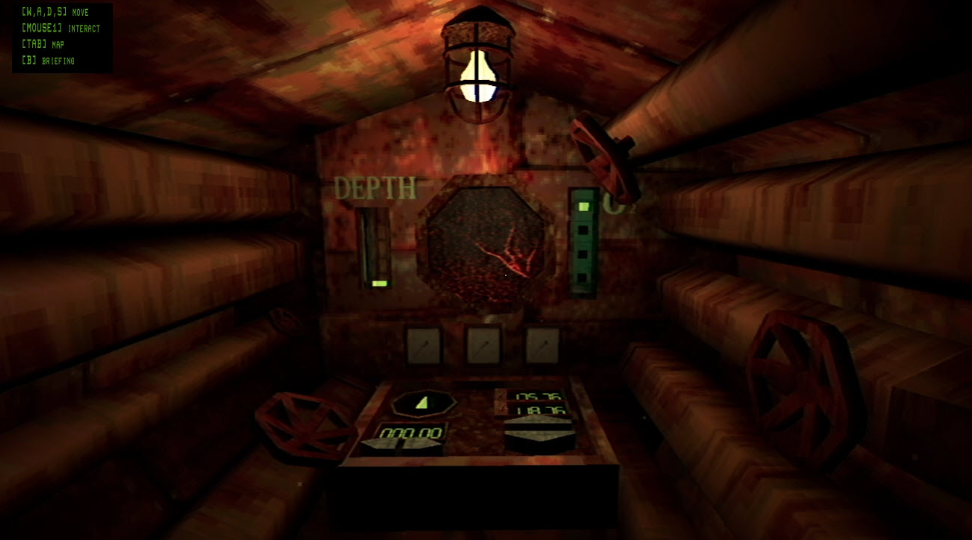
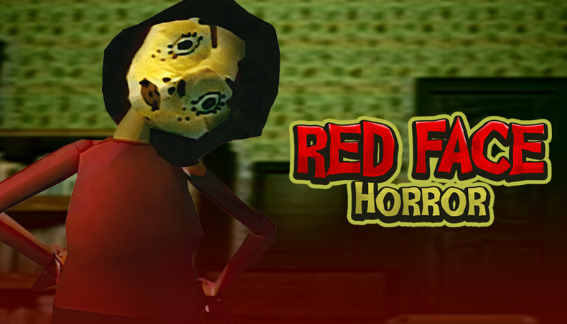
That is what makes this page stronger than a basic “walk until a scare happens” horror loop. Disorientation changes how every other decision feels. Sprinting, resource use, and turning back all become meaningful because the environment keeps eroding your confidence. Players who like the intimate environmental unease of Red Face Horror, the direct chase pressure of Horror Nun, or the claustrophobic mission focus of Iron Lung will usually connect with Backrooms quickly for different reasons.
One of the strongest early impressions is how quickly the halls flatten together in your head. Even on a short run, the environment starts making every turn feel interchangeable, and that is when the real pressure appears. The page is not only asking whether you can move forward. It is asking whether you can keep any sense of direction once the repetition starts working on you.
Another thing that stands out fast is how tempting it is to sprint just to break the discomfort. That instinct usually makes the session worse. The moment you start using speed to escape anxiety instead of to solve danger, the maze becomes harder to read and your own route starts feeling less trustworthy.
A smart opening is less about speed and more about refusing to make the maze blur together too early.
Choose a simple rule for movement and stick to it. Follow one side of the hall, remember unusual corners, or note where pickups and dead ends appeared. The rule does not need to be perfect. It only needs to stop your route from becoming random. Once you start turning at whim, the maze gains control of your decisions.
Sprint feels useful because the map is unsettling, but constant sprinting usually makes the run worse. You miss environmental clues, waste control, and reach the next uncertain area with less composure than before. Use speed when you need distance, not when you simply feel uncomfortable.
Audio matters here. Even when the visuals repeat, sound can tell you whether the run is calm, unsafe, or quietly getting worse. Backrooms is much harder in muted play because you lose one of the few tools that helps separate real danger from ordinary hallway repetition.
The most common beginner mistakes are surprisingly practical:
A better habit is to narrate your route mentally. Even a rough internal note like “left at the long hall, right after the stacked corner, orb near the dead end” gives your brain something to rebuild when the space starts feeling hostile.
Backrooms plays better when you lean into readability instead of trying to rush through discomfort.
That rhythm is what makes the page work. The horror is not only in seeing something scary. It is in noticing that your own sense of direction is getting cheaper every minute you stop paying attention.
It is more than wandering. The survival pressure comes from disorientation, resource decisions, and the way the maze punishes players who move without a plan.
Yes. Audio cues help with tension, timing, and general awareness. The page is much easier to read when you are not relying on visuals alone.
Slow down, return to a simple route rule, and rebuild from landmarks or remembered items. Panic-sprinting usually makes the confusion worse instead of fixing it.

Discuss Backrooms
Share route tips, bug warnings, clutch escape moments, or smart shortcuts. Keep it useful, readable, and spoiler-light so the next player can learn fast.