
Fresh Zombie Shooter
4.8 / 5 Apr 15, 2026
Dead Strike
Hold space, reload early, and outlast waves that punish bad positioning.
1,842 votes Open Guide
Play in Browser
Five Nights at Freddy's
Launch instantly, skip the download, and start playing in one click.
New Games
Use these as better next clicks depending on what part of Idols of Ash you want more of—tight space, maze pressure, puzzle tension, or a longer survival loop.
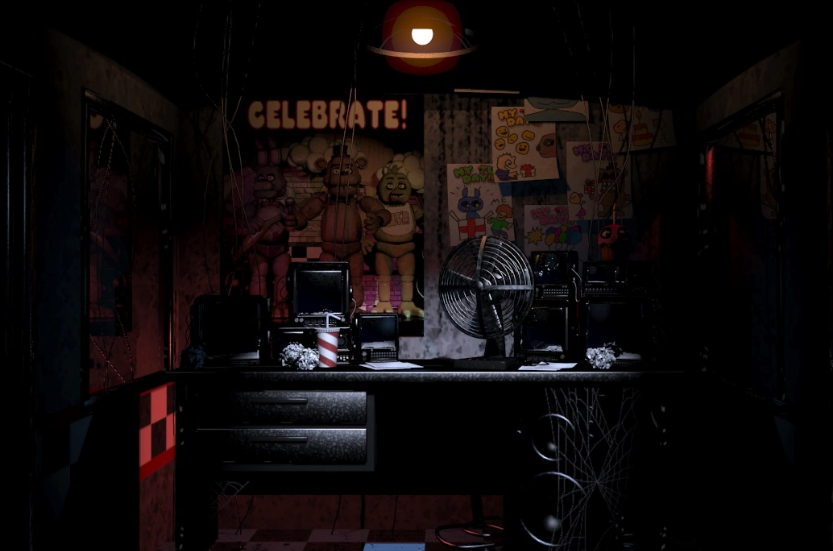
Five Nights at Freddy’s is still the cleanest version of office-survival horror because every tool asks for a trade. The cameras give information, but opening the monitor costs time and attention. The doors can save you, but they also drain the power that has to last until 6 AM. The lights help you confirm whether a hallway has become dangerous, but using them for comfort instead of confirmation quietly loses the night. That balance is what keeps the first game sharp. It does not need a giant map or a complicated upgrade tree. It only needs a room, a clock, and the feeling that one nervous habit can snowball into failure.
That is also why the original remains such a strong entry point. New players usually assume safety comes from doing more: more camera checks, more light taps, more door closures, more reactions to every sound. FNAF keeps teaching the opposite lesson. The players who survive longest are usually the ones who learn how to do less on purpose. They check quickly, close doors late, and trust a routine instead of trying to smother the whole office in constant action.
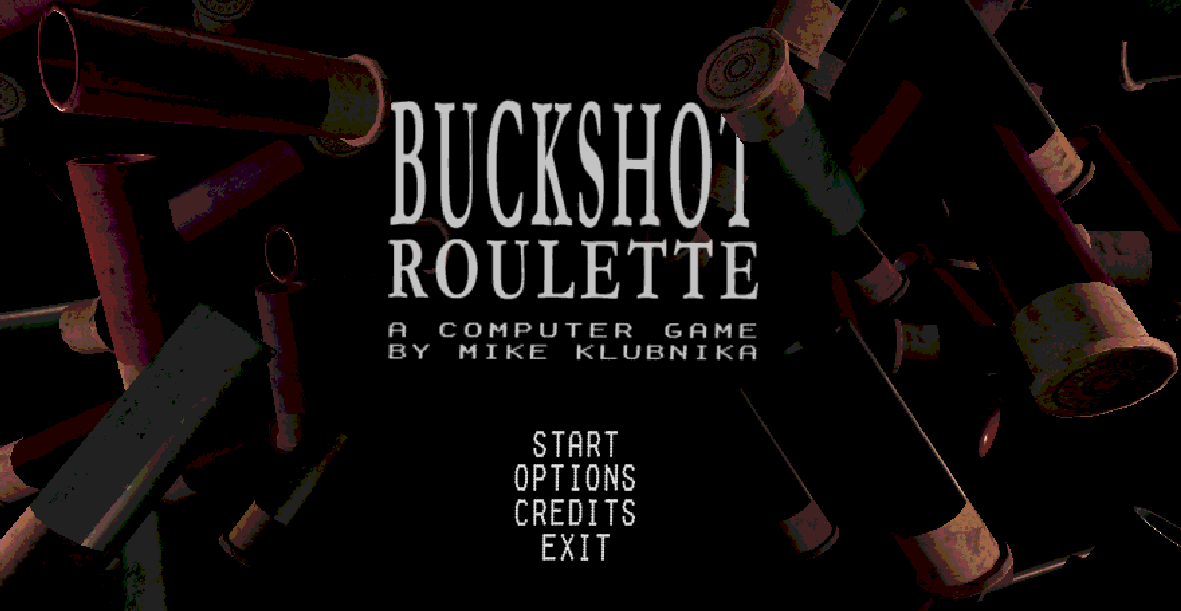
If you want a louder and messier take on the same basic room-management idea, Five Nights at Epstein’s is the obvious follow-up. If you mostly enjoy incomplete-information pressure rather than office horror specifically, Buckshot Roulette creates a similar mental squeeze in a completely different format. For a more movement-heavy contrast, Poppy Playtime is a good next page on the site.
On a first browser session, what stands out fastest is how expensive every unnecessary action feels. The room is mechanically simple, but the pressure shows up the moment you realize that a “safety check” can quietly become a power mistake. Long camera checks feel comfortable for a second and then suddenly feel like the reason the whole night is slipping away.
Another early impression is that the game is much narrower than new players expect. The fear does not come from doing a hundred things. It comes from sitting in one small office and noticing how quickly nerves can make you overreact. That is why the first strong run usually feels boring in the best way: short checks, late doors, and fewer panic inputs than your instincts want.
Your job is not to control every threat at every second. Your job is to keep a repeatable loop that tells you when a real response is necessary.
Short camera checks are better than nervous camera camping. Open the monitor, get the information you actually need, and close it again. The longer you stay inside the cameras, the easier it is to lose your office rhythm, react late to hallway pressure, and waste power because you stayed in the feed until you felt calm.
A common beginner mistake is treating the doors like permanent shields. In practice, they are expensive emergency answers. Leaving a door shut just because a threat might matter soon is one of the fastest ways to turn the power meter into your real enemy. Let doors solve confirmed problems, not imaginary ones.
Some camera glances matter because they help you track dangerous movement. Some light checks matter because they confirm whether a side is actually unsafe. What hurts new players is repeating those actions long after the answer is clear. If you already know the situation, rechecking out of nerves usually costs more than it saves.
Most failed browser runs come from one of three habits:
A better rule is simple: every action should have a reason. If you cannot explain why you are opening the camera or touching a door, you are probably spending power to reduce anxiety rather than to increase survival.
The browser version feels much better when the screen is easy to read and outside distractions are low.
That last point matters the most. FNAF is famous for jumpscares, but the stronger skill is pacing. The game rewards players who can stay calm, boring, and disciplined even when the room is trying to rush them.
What keeps Five Nights at Freddy’s worth playing is not nostalgia alone. The original still teaches a useful horror lesson better than most browser games: when resources are limited, discipline feels scarier than action. You are never doing anything spectacular. You are just trying not to waste the few tools that matter. That is exactly why every mistake feels personal, and it is why this page still works as one of the strongest benchmark horror picks on the site.
Usually because they use doors, lights, and camera checks to feel safe instead of to confirm a real threat. Power disappears fast when every action is driven by nerves.
Yes. Quick reactions help, but clean timing matters much more. The game rewards short checks, calm decisions, and not overcommitting your tools.
No. Long camera sessions usually make the night worse. Open the monitor, get the information you need, then close it and return to your routine.

Discuss Five Nights at Freddy's
Share route tips, bug warnings, clutch escape moments, or smart shortcuts. Keep it useful, readable, and spoiler-light so the next player can learn fast.