

Fresh Zombie Shooter
4.8 / 5 Apr 15, 2026
Dead Strike
Hold space, reload early, and outlast waves that punish bad positioning.
1,842 votes Open Guide
Play in Browser
Poppy Playtime
Launch instantly, skip the download, and start playing in one click.
New Games
Use these as better next clicks depending on what part of Idols of Ash you want more of—tight space, maze pressure, puzzle tension, or a longer survival loop.
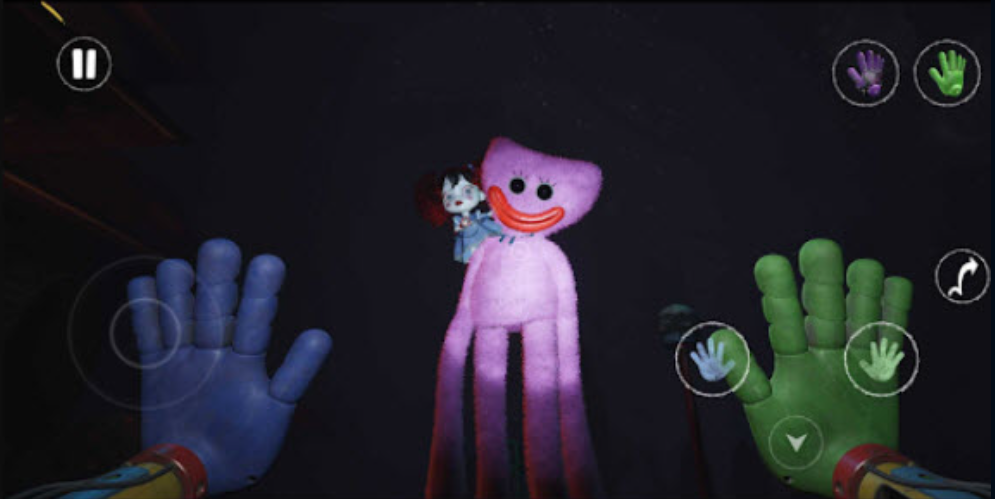
Poppy Playtime is at its best when you treat the factory as both a puzzle box and a stage set. The toy-company theme may be the first thing that grabs your attention, but what keeps the game interesting is how clearly each room teaches you to read cables, power routes, locked spaces, and GrabPack interactions before the tension starts pushing back. That balance is why the first hour works so well for a wide audience. Players who want approachable horror can enjoy the atmosphere, while players who care more about puzzle flow can still get a satisfying run out of the same spaces. The result is a game that feels easy to enter without feeling throwaway, especially if you like exploration that rewards patience and horror that becomes stronger once you understand exactly what the room is asking from you.
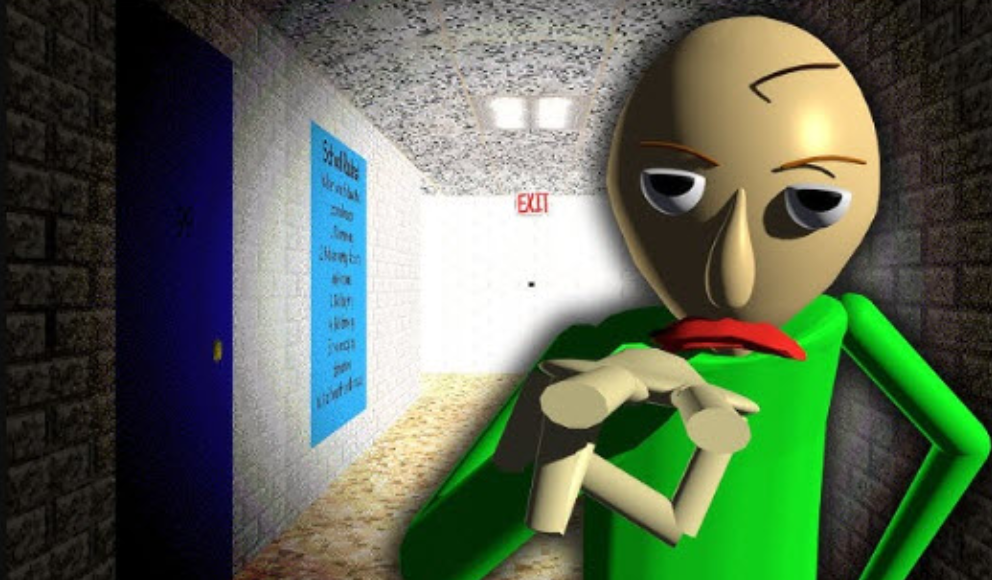
It also helps that the GrabPack is more than a gimmick. Once you understand how it connects power points, traversal, and progression, the factory starts feeling designed rather than obscure, and the scares land harder because you know what you are trying to achieve in each space. That makes Poppy Playtime a strong entry point for players who like the puzzle-readable tension of Baldi’s Basics or the escape pressure of Horror Nun but want a more polished visual hook.
The space is not only decorative. It gives the puzzles context, makes the route memorable, and lets dread build before the game asks for urgency.
Players who want approachable horror with a strong gimmick, clear interactions, and a recognizable visual identity are the best fit.
What stands out first is that the factory does not feel strongest when you rush toward the next scare. It feels strongest when a room’s logic suddenly becomes clear and the environment starts making sense as a puzzle space. A cable route, a power point, or a GrabPack interaction can make the area feel readable in one instant, and that clarity makes the atmosphere more effective because you finally understand what is at stake.
Another early impression is that the GrabPack feels much less like a gimmick once you use it to confirm what the room is asking from you. The first good session usually comes from curiosity before panic. Players who slow down, follow the interaction chain, and then move with purpose tend to get more tension and less confusion out of the same spaces.
The cleanest way to begin is to treat each room like a puzzle space first and a horror scene second. Understand what the room wants from you before you sprint through it.
The GrabPack is strongest when you are using it to test a room logically. Look for power routes, interactive points, and objects that seem designed to connect. If you grab at random, the game feels confusing. If you read the room first, the tool feels intuitive very quickly.
Not every dark hallway is an emergency. Moving too quickly makes you miss clues and doubles your backtracking. Slow exploration makes the horror stronger because you actually understand what you are risking when the pace changes.
A good beginner rule is to follow visible cables or interaction chains before assuming the answer is hidden somewhere random.
The toy-factory theme gives the game instant personality. The contrast between playful branding and empty industrial space keeps the tone uneasy even during slower puzzle sections.
The best parts of the game come from noticing how rooms connect. The puzzles usually make sense once you stop rushing and start reading the environment.
Poppy Playtime works because it does not spend every second at full volume. It lets curiosity pull you forward, then uses that investment to make danger land harder.
If you want horror with structure and interaction, it is a strong pick. For players who want more open pressure, Baldi’s Basics and Horror Nun are the two most natural next steps.
It leans puzzle-horror first. The scares matter, but the game spends most of its time asking you to explore, read the environment, and solve the next interaction cleanly.
No. It feels much easier once you stop treating it like a weapon and start treating it like the main puzzle tool.
Players who want a recognizable setting, accessible puzzles, and horror that builds through place and tension rather than nonstop combat will probably get the most out of it.
Discuss Poppy Playtime
Share route tips, bug warnings, clutch escape moments, or smart shortcuts. Keep it useful, readable, and spoiler-light so the next player can learn fast.