
Fresh Zombie Shooter
4.8 / 5 Apr 15, 2026
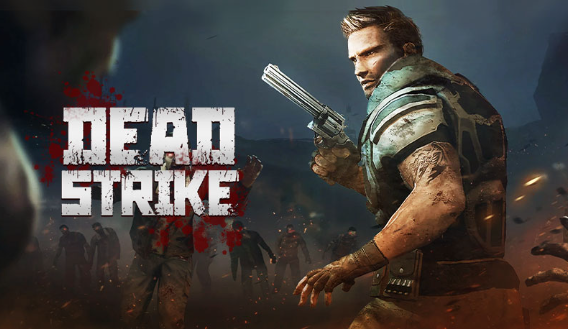
Dead Strike
Hold space, reload early, and outlast waves that punish bad positioning.
1,842 votes Open Guide
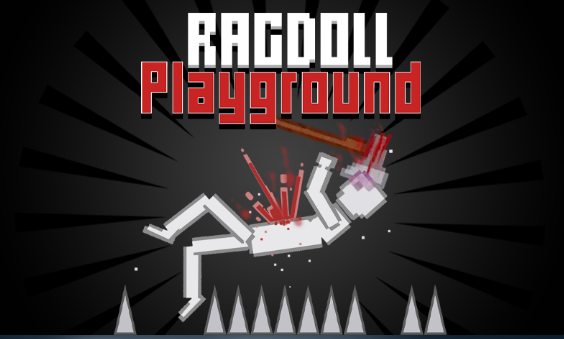
Play in Browser
Ragdoll Playground
Launch instantly, skip the download, and start playing in one click.
New Games
Use these as better next clicks depending on what part of Idols of Ash you want more of—tight space, maze pressure, puzzle tension, or a longer survival loop.
Ragdoll Playground becomes much easier to appreciate when you say one simple thing up front: this is not a mission game that happens to use physics, but a true sandbox where the fun comes from giving yourself a small idea and watching the systems turn it into chaos, comedy, or destruction. You choose a map, place ragdolls, weapons, props, machines, or vehicles, and then test what happens when those pieces start affecting one another. That freedom is the product. If you are deciding whether it is worth opening, the answer depends on whether you enjoy self-directed play more than guided objectives. The strongest first session usually comes from one clear experiment, not from dumping the whole toolbox onto the map at once. This guide is here to help players get to the fun faster by making the first ten minutes more intentional.
It also helps to understand why the sandbox has staying power. The reason is replayable experimentation: different maps, different object combinations, different kinds of failure, and a lot of room for “what if” thinking. That is why the guide below focuses on clean starting setups, map choice, and easy experiment ideas rather than vague freedom talk. If you enjoy physics comedy in Scary Wheels or want a more action-driven contrast like Dead Strike, this is one of the archive’s strongest sandbox recommendations.
The sandbox gets more satisfying when the player can actually see what changed, why it changed, and how the next variation might be better or funnier.
Players who like tinkering, testing systems, and creating their own goals will get far more value from it than players who only want a fixed win condition.
A first session makes this clear very quickly: the sandbox is more fun when you give it a small question instead of dumping the whole toolbox into the map. One ragdoll, one hazard, one vehicle, or one machine is often enough to create something funny, destructive, or unexpectedly useful. That is the point where the game starts feeling creative instead of messy.
The other early lesson is that failure is often the best feedback in the whole experience. A setup that tips over, misfires, or launches something the wrong way still teaches you how the map and the physics react together. That is why the strongest first runs usually feel like experimentation rather than progress toward a fixed goal.
Start small. The easiest way to understand the game is to learn how one object behaves, then combine it with a second or third object once you know what changed.
Pick a map, place one ragdoll, then add a single tool, hazard, or machine. Watch how the physics responds before you try bigger setups. That teaches the sandbox faster than dropping ten things at once.
Ramps, open areas, tight rooms, and edges all change how your setup behaves. A vehicle stunt, explosion chain, or trap test will feel very different depending on where you place it.
A good beginner goal is to build one idea that works, then one idea that fails in an interesting way. That is the sandbox in its best form.
There is no need to wait for the game to tell you what to do. If you want to test weapons, crashes, traps, or chain reactions, the sandbox supports that style well.
A big part of the fun is that failure is often entertaining. Broken setups, bad landings, and accidental chain reactions can be just as enjoyable as the things you meant to build.
Changing the environment changes the whole result. That gives the game more life than a single flat test room would.
If you want a browser game that lets you invent your own session, this is one of the strongest picks. For related physics fun, try Scary Wheels. For a more direct action contrast, Dead Strike is the cleaner next stop.
No. The game is built as a sandbox, so the fun comes from experiments, setups, and self-directed goals.
Yes. It works very well in short bursts because even one small test or build idea can be satisfying on its own.
Start with one map and one simple interaction. Learn what the tools do before you try to build a full chain reaction or giant machine.

Discuss Ragdoll Playground
Share route tips, bug warnings, clutch escape moments, or smart shortcuts. Keep it useful, readable, and spoiler-light so the next player can learn fast.