

Fresh Zombie Shooter
4.8 / 5 Apr 15, 2026
Dead Strike
Hold space, reload early, and outlast waves that punish bad positioning.
1,842 votes Open Guide
Play in Browser
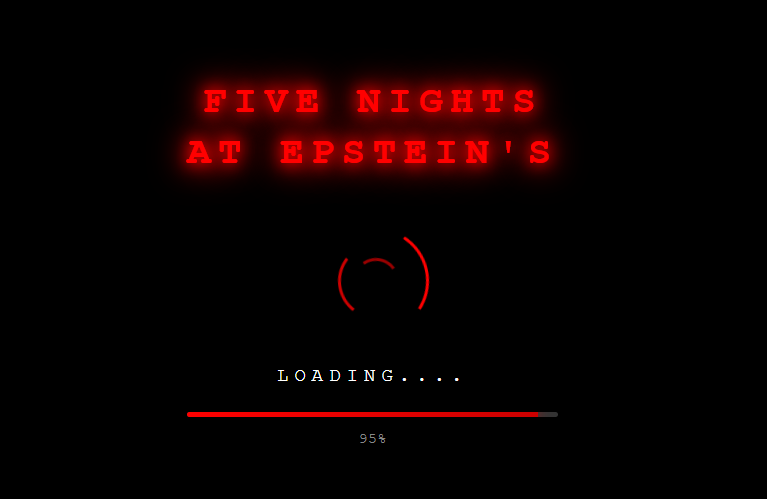
Five Nights at Epstein's
Launch instantly, skip the download, and start playing in one click.
New Games
Use these as better next clicks depending on what part of Idols of Ash you want more of—tight space, maze pressure, puzzle tension, or a longer survival loop.
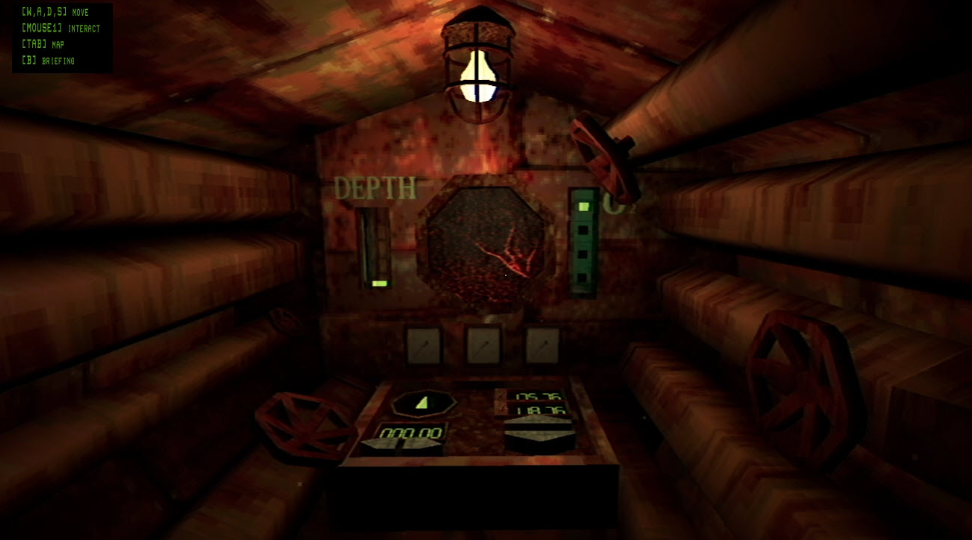
Five Nights at Epstein’s works best when you describe it honestly: not just as a joke skin, but as a multi-system survival room where too many small failures can become one big collapse. Cameras, vents, audio tools, oxygen, and resets all ask for attention, and the room gets stressful because those demands rarely arrive in a clean order. That is why the game feels rougher than classic office horror even before you learn all of its rhythms. The danger is not only that something is coming for you. The danger is that you will spend ten bad seconds staring at the wrong problem while two other systems quietly fall apart.
That gives the game a different identity from the cleaner structure of Five Nights at Freddy’s. The classic version is about controlled restraint. This one is about triage. If you like short sessions where you are constantly deciding what deserves action first, the appeal lands quickly. It also makes a good recommendation for players who enjoy information pressure in Buckshot Roulette or fast target-priority thinking in Dead Strike, because the room is always asking you to rank threats instead of reacting blindly.
The first thing this browser version makes obvious is that the room rarely stays a one-problem game for long. A new player can feel in control for a few seconds and then suddenly get dragged into overlapping alerts, which is exactly why the page feels harsher than a cleaner office-survival setup. The pressure spike does not come from one perfect scare. It comes from the moment you realize you fixed the loud problem while a quieter one kept getting worse.
What also stands out early is how much calmer the run becomes once your eyes follow a repeatable order. Before that happens, every panel feels equally urgent. After that happens, the game stops feeling random and starts feeling like triage. That shift is the strongest first-session lesson the page teaches.
The biggest improvement most players can make is to stop free-scanning and start using a fixed loop. The room becomes much more readable once your eyes move in the same order every cycle.
Some warnings are annoying. Some warnings are run-ending. Oxygen problems and immediate entry pressure belong in the second category. If a major system is slipping, fix that before you burn time on smaller issues that only feel urgent because they are loud. A run often goes bad because the player handled the wrong alert correctly.
Resets are strongest when they prevent one problem from multiplying into three. If you wait until the room is already overloaded, the reset feels late and expensive. If you use it to restore breathing room before the stack gets ugly, you keep your routine intact and stop panic from deciding the night for you.
This is the habit that separates readable runs from chaotic ones. Once you confirm a screen, move on. The room punishes players who keep staring at one threat until they feel emotionally safe. You are managing overlap, not solving a single screen forever.
This page is much easier to learn when the room stays visually readable and your attention is not split.
That last point matters a lot. Good runs are not calm because the room is calm. They are calm because the player keeps rebuilding order after each spike.
The best thing about Five Nights at Epstein’s is that the parody tone does not erase the mechanical stress. Beneath the joke surface is a game that asks for prioritization, rhythm, and the ability to leave one problem half-solved while you stop a worse one from snowballing. That makes it more than novelty content. It is a genuinely useful page for players who already know they like survival rooms and want a version that feels louder, meaner, and less forgiving.
It has parody energy, but the challenge is real. The room gets difficult because several systems can demand attention at once, and bad prioritization is punished fast.
Start with oxygen loss and the most immediate threat paths, then use resets and support tools to stop the room from chaining into a worse state.
For many players, yes. The cleaner original is easier to read. This version gets rougher because it asks you to juggle more systems and recover from overlap without freezing.


Discuss Five Nights at Epstein's
Share route tips, bug warnings, clutch escape moments, or smart shortcuts. Keep it useful, readable, and spoiler-light so the next player can learn fast.